
Call us now :07313726300
 Send Inquiry
 Send Inquiry
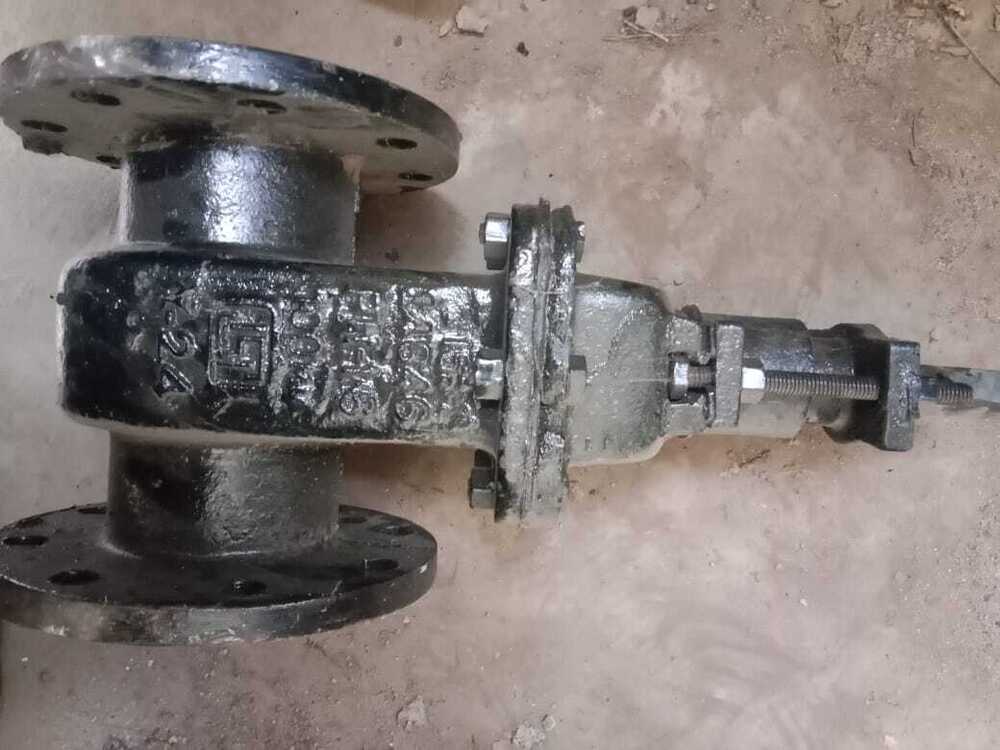
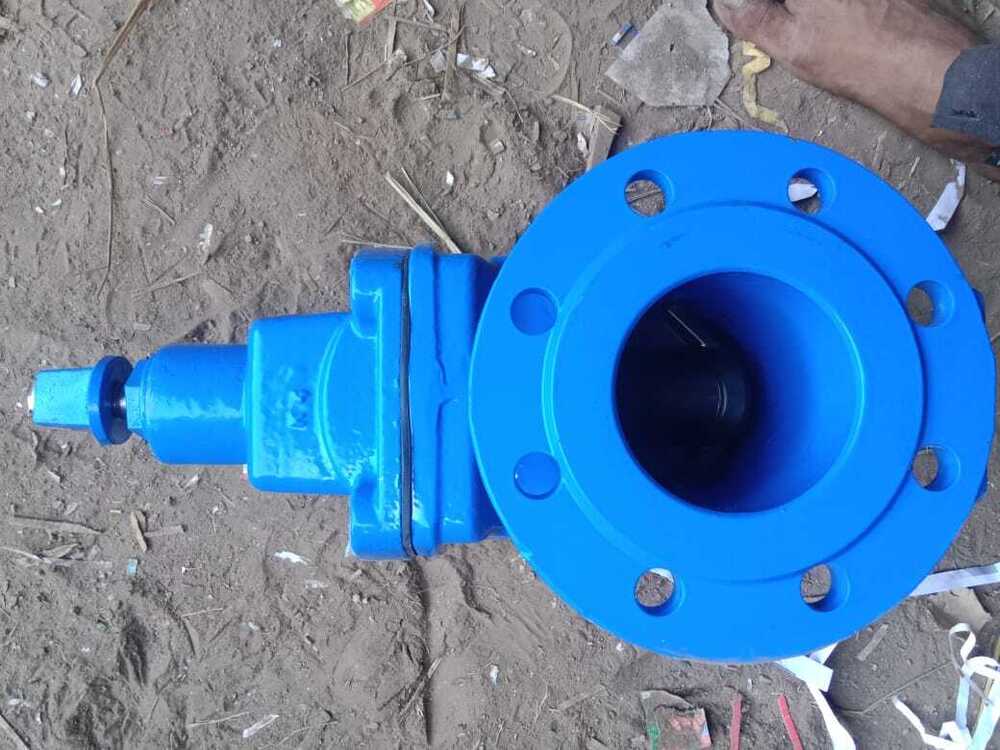
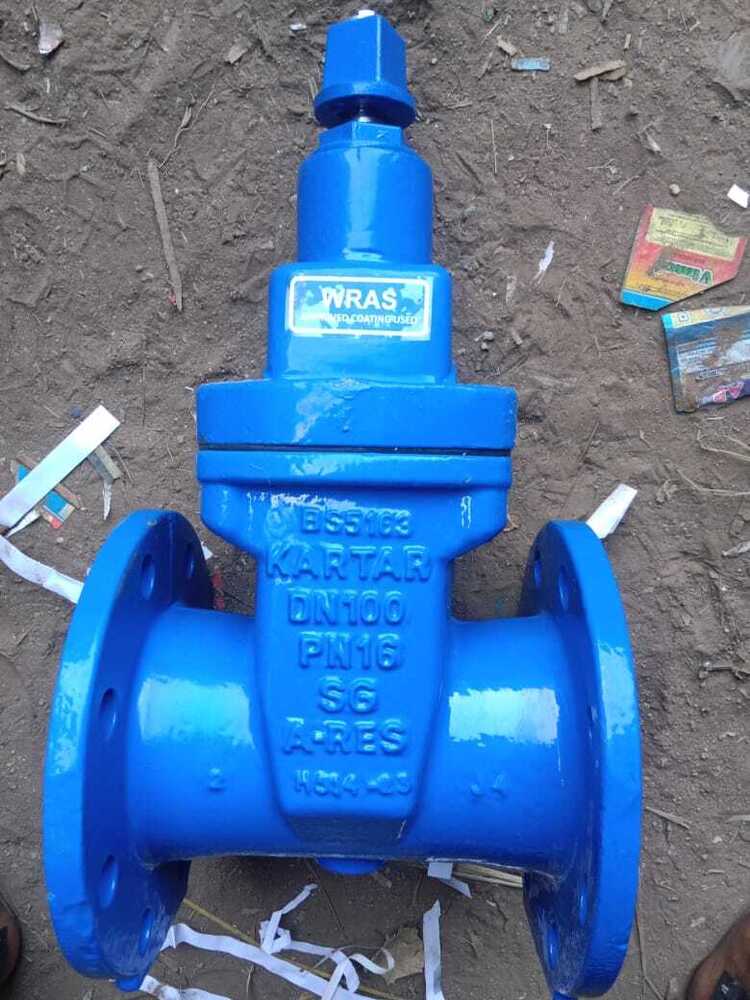
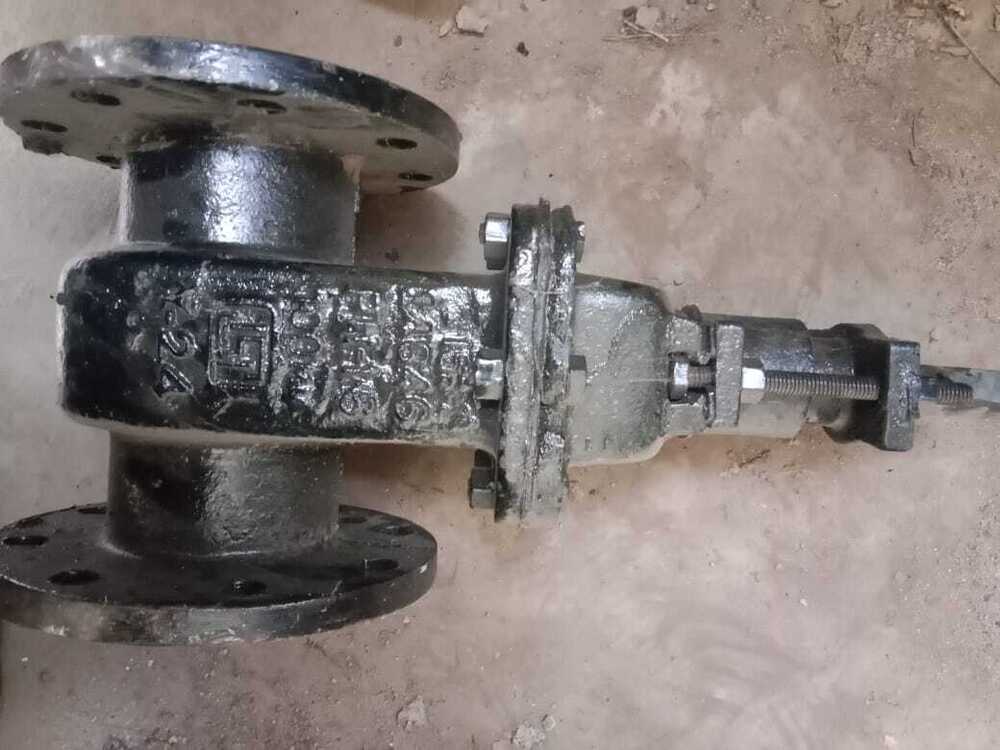
Ductile Cast Iron Sluice Valves
Price 5000.00 INR/ Number
Ductile Cast Iron Sluice Valves Specification
- Diameter
- 50 mm to 600 mm Millimeter (mm)
- Tolerance
- 2 mm Millimeter (mm)
- Temperature Range
- -10C to 80C Celsius (oC)
- Sealing Type
- Rubber Seated (NBR/EPDM)
- Flexibility
- Rigid
- Thread Type
- Not Applicable (Flanged)
- Coating Type
- Epoxy Powder Coating
- Yield Strength
- Minimum 300 MPa
- Tensile Strength
- Minimum 420 MPa Megapascals (MPa )
- Connection Type
- Bolted Flange
- Product Type
- Sluice Valve
- Material
- Other
- Connection
- Flanged
- Shape
- Round Body
- Standard
- Other
- Surface Treatment
- Fusion Bonded Epoxy Coated
- Outer Diameter
- Up to 600 mm Millimeter (mm)
- Section Shape
- Cylindrical
- Thickness
- 13-20 mm (body wall) Millimeter (mm)
- Color
- Blue
- Usage
- Water supply, Sewage, Irrigation
- Rated Pressure
- PN10/PN16/PN25
- Application
- Pipeline isolation and flow regulation
- Material Grade
- GGG 50/EN-GJS-500-7
Ductile Cast Iron Sluice Valves Trade Information
- Minimum Order Quantity
- 10 Number
- Delivery Time
- 5-10 Days
- Main Domestic Market
- All India
About Ductile Cast Iron Sluice Valves
Our organization is engaged inManufacturingquality range ofCast Iron Pipes, Pipes Fitting and many more.These products are appreciated for their features of corrosion resistance, durability, reliability, accurate design and longer working life. Our products adhere to the quality norms of IS.Owing to such appreciable features, these products are used in textile industry, irrigation and sewage disposal etc.Precision Engineering and Robust Construction
These valves are engineered from premium-grade ductile cast iron, meeting stringent IS and BS standards for durability and reliability. The fusion bonded epoxy coating and PTFE gland packing ensure superior corrosion resistance, extending service life and enhancing performance in harsh water and sewage environments.
Flexible Operation and Seamless Integration
Available with rising or non-rising spindles and a selection of manual, electric, or pneumatic actuation, these sluice valves fit varied operational needs. The standardized flange connections (IS:1538, Table E/F) and face-to-face dimensions provide seamless integration into new or existing pipelines with diameters from 50 mm up to 600 mm.
FAQs of DUCTILE CAST IRON SLUICE VALVES:
Q: How are ductile cast iron sluice valves operated?
A: Ductile cast iron sluice valves can be operated manually using a handwheel or cap, or automatically via electric or pneumatic actuators, depending on system requirements and user preference.Q: What makes these valves suitable for potable water and wastewater applications?
A: Their construction from certified ductile cast iron, resilient rubber sealing (NBR/EPDM), and high-quality epoxy coating ensures zero leakage, hygiene, and long-term corrosion resistance, making them ideal for potable water, raw water, and sewage pipelines.Q: Where are these sluice valves commonly installed?
A: They are typically used in water supply networks, irrigation systems, and wastewater treatment plants where precise regulation and isolation of pipeline sections are required.Q: When should a rising spindle type be preferred over a non-rising spindle?
A: A rising spindle design is useful for visible open/close position indication and is preferred where space permits, while non-rising spindle valves are better suited for installations with height restrictions.Q: What benefits does the fusion bonded epoxy coating provide?
A: This coating offers excellent resistance to corrosion, impact, and chemical damage, significantly prolonging valve lifespan and maintaining water quality, especially in harsh or contaminated environments.Q: How is zero leakage (bubble tight seal) ensured by these valves?
A: The use of resilient seated wedges made from NBR or EPDM rubber guarantees bubble-tight sealing and zero leakage under pressure, meeting the highest performance standards for water pipelines.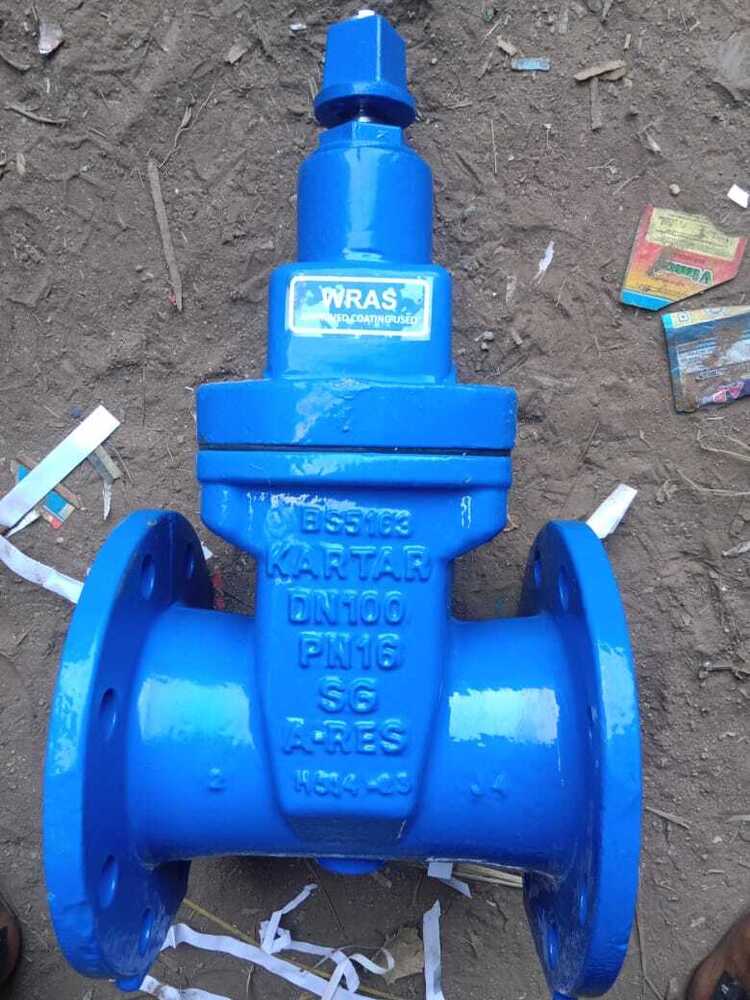
Tell us about your requirement

Price:
Quantity
Select Unit
- 50
- 100
- 200
- 250
- 500
- 1000+
Additional detail
Mobile number
Email

More Products in Pipe Fittings Category
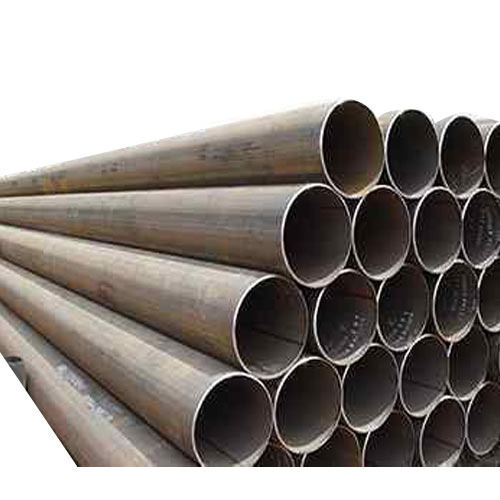
MS Pipes And Fittings
Price 80 INR / Kilograms
Minimum Order Quantity : 100 Kilograms
Section Shape : Other
Shape : Round
Product Type : Other
Color : Black
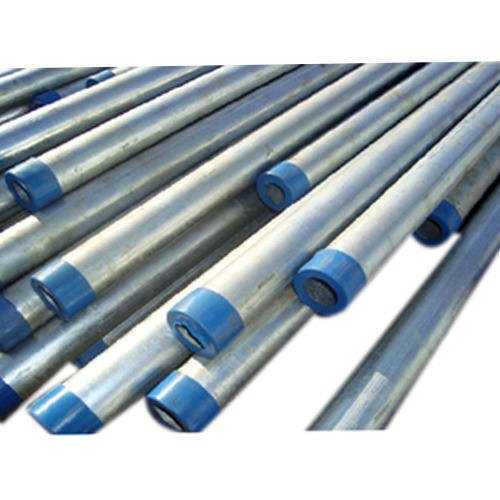
GI pipes and Fittings
Price 80 INR / Kilograms
Minimum Order Quantity : 100 Kilograms
Section Shape : Circular, Other
Shape : Round
Product Type : Other, Pipe and Fittings
Color : Silver

Ductile Iron Pipe Fittings
Minimum Order Quantity : 1000 Kilograms
Section Shape : Round
Shape : Other, Elbow, Tee, Reducer, Coupling, Flange, Bend, etc.
Product Type : Other, Ductile Iron Pipe Fittings
Color : Black or Blue

Cast Iron Pipe Fittings
Price 150 INR / Kilograms
Minimum Order Quantity : 1000 Kilograms
Section Shape : Round
Shape : Other, Elbow, Tee, Coupling, Reducer, Flange, Cross
Product Type : Other, Pipe Fitting
Color : Black/Grey


 Send Inquiry
Our Products

G/9, Sunhari Premises, High Tension Road, Subhanpura,Vadodara - 390023, Gujarat, India

Mr Ganesh Rahangdale
(Proprietor)
Mobile :07313726300
 Send Inquiry
 Send SMS
Developed and Managed by Infocom Network Private Limited.
